


Categorization of combat robots
Combat robots are not all the same, as we all have different ideas about what the perfect robot should look like. Before you pick a category, it helps to know how a combat robot works. Here are the main categories to guide you in your construction and help you classify your robot.
Key parameters of combat robots
Every successful combat robot rests on three pillars: weight, movement, and weaponry. Explore each of these key areas and discover your options. Making the right decision at the outset is the first step toward victory.
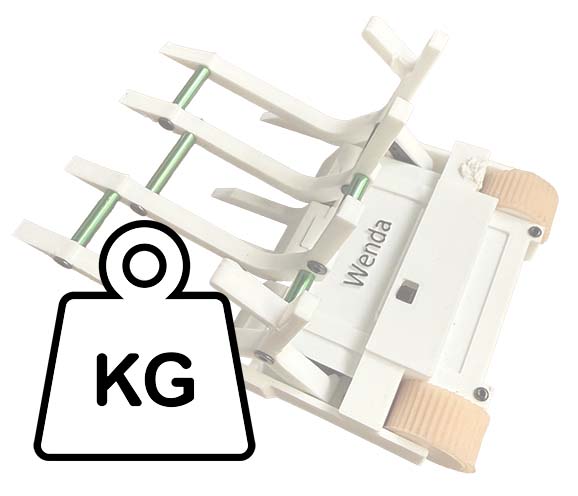
Weight categories
Weight is the most important parameter that determines your competition category. Exceeding the limit means the end of the tournament, so accuracy is key to participation.
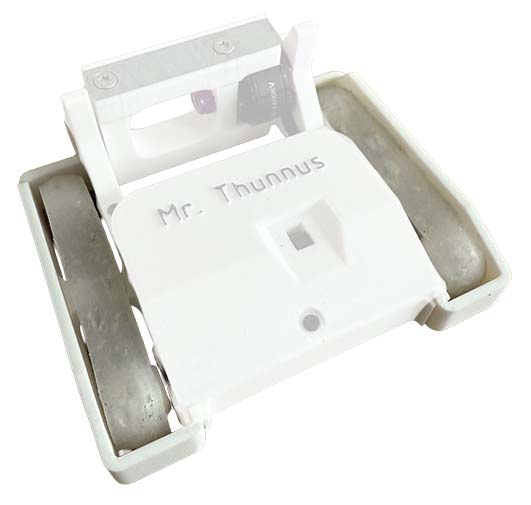
Ways of moving
A reliable chassis is the basis for movement and strategy in the arena. An unconventional solution can give you an advantage and a bonus to the permitted weight limit.
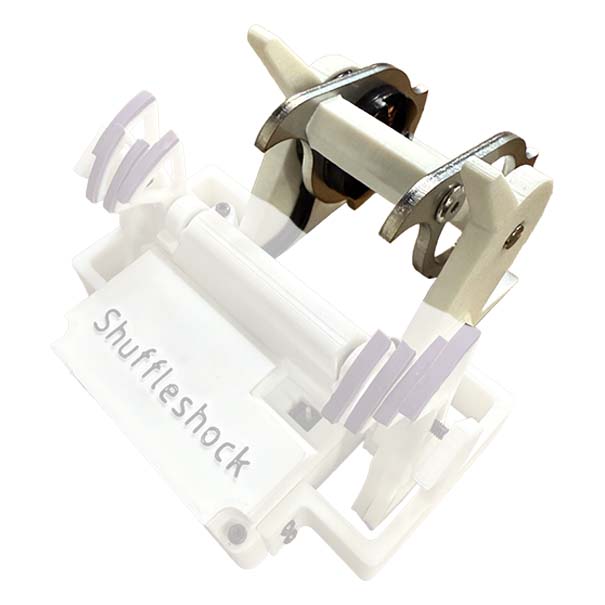
Types of weapons
The weapon defines your fighting style and is the key to victory. The choice of mechanism, from spinners to lifters, will determine your final strategy and success in the arena.
Types of Combat Robots
Before you start building your own robot, it’s worth knowing how combat robots are classified and how these categories shape your strategy. Three key areas matter most: weight category, mode of movement, and weapon type.
Weight Categories
Weight determines which opponents you’ll face in the arena and is essentially the first decision you need to make. Our league (CCRL) recognizes four weight classes, from the smallest Antweight up to the heaviest Featherweight.
Movement Types
How your robot moves around the arena affects not just its agility, but also whether it qualifies for a weight bonus. Traditional movement on wheels or tracks earns no bonus, while unconventional solutions and walking robots do.
Weapon Types
The weapon defines your fighting style and is the key to victory in the arena. From spinning spinners to lifters and grabbers, all the way to hammer strikes – it’s best to match your mechanism to your weight category and mode of movement.
For details on the specific rules and bonuses, check out the Rules page.