
Combat robots by
weight category
This is where strategy begins. Weight is the most important parameter that defines the rules of the competition and your competition. Choosing the right category is the first step to victory, because exceeding the limit means the end of the tournament before the first match.
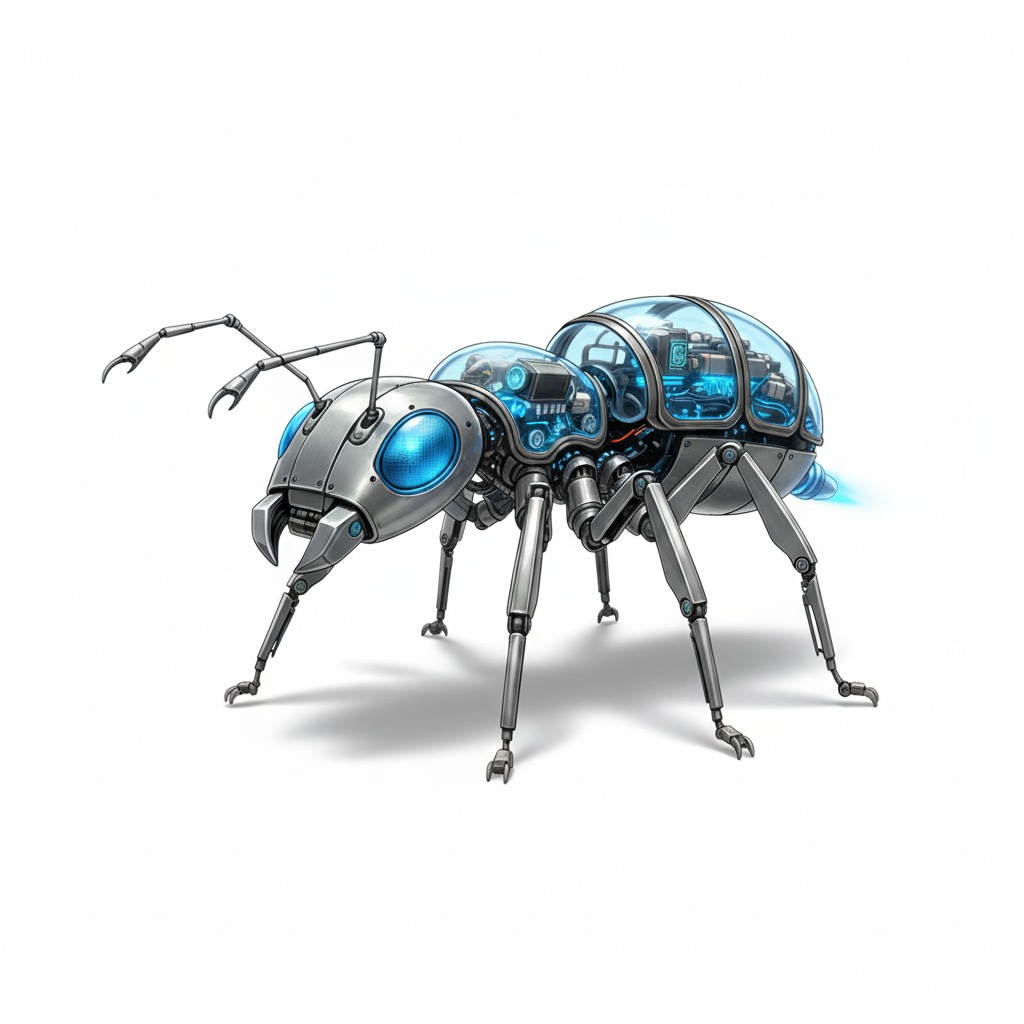
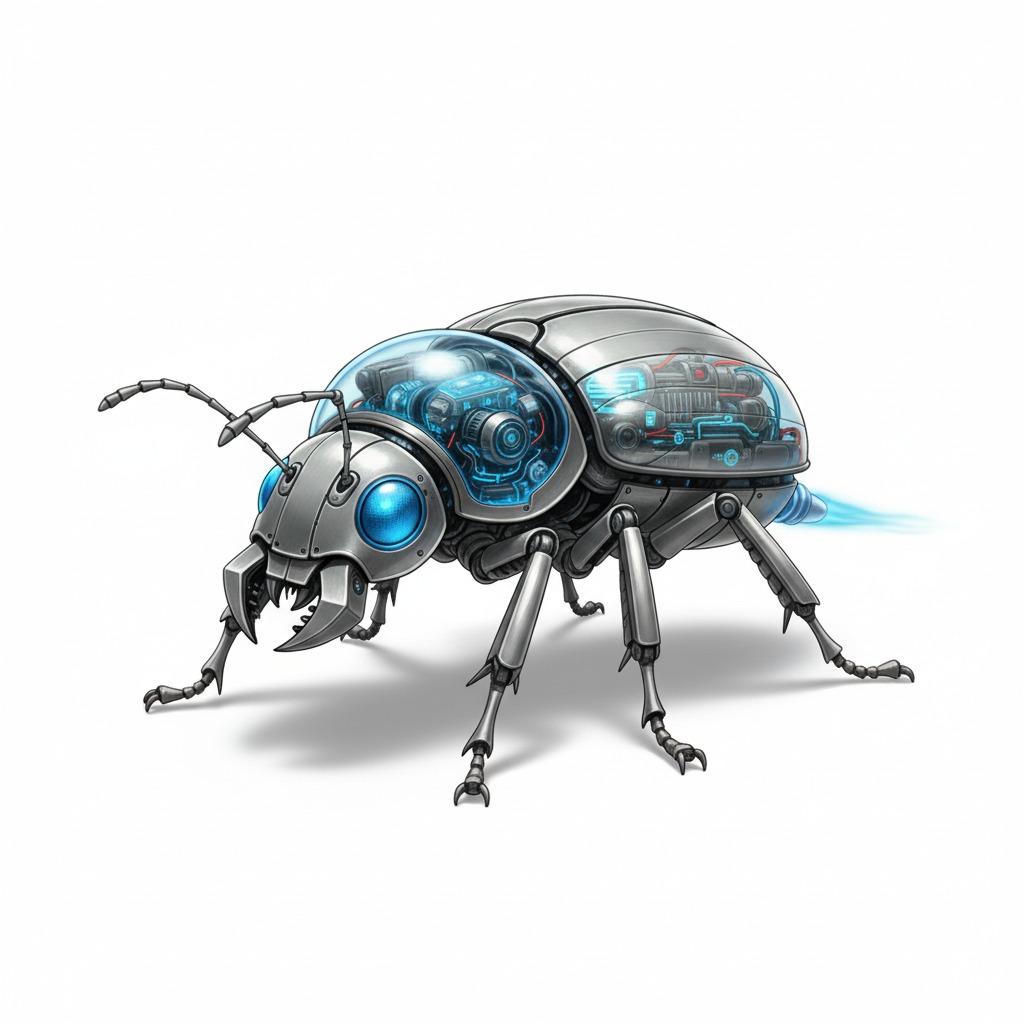

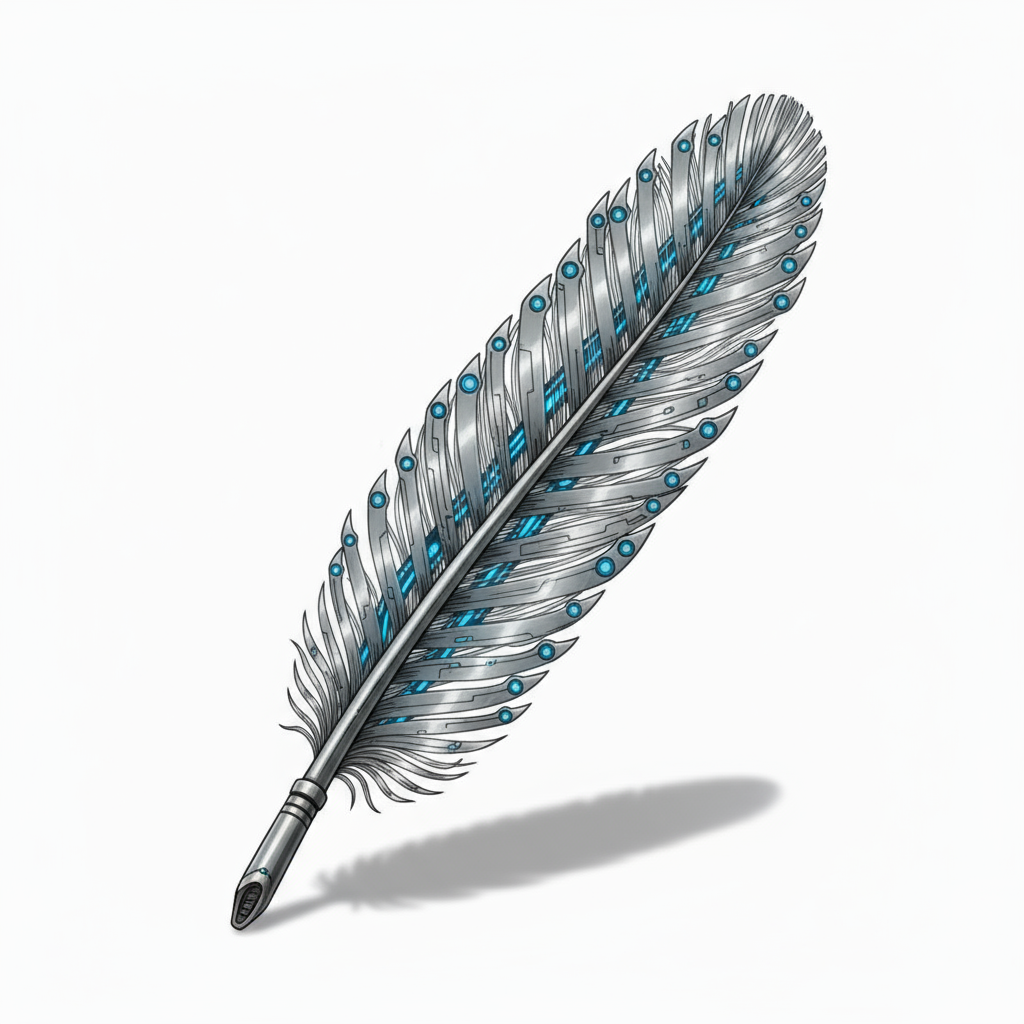
To ensure fair matches, robots are divided by weight. Each robot competes only against others of the same weight class. Therefore, before building a combat robot, it is very important to decide on the weight category in which it will compete.
Builders must also be aware that weight categories are not the same in every country and that some robot classes are very popular, while others are more rare. Before you build a robot, ensure that there are tournaments in your area for your chosen weight category.
Our Czech Combat Robot League (CCRL) currently recognizes 4 different weight categories:
-
Antweight – 150 g (+ PLANT category – Antweight made only of plastic)
-
Beetleweight – 1.5 kg
-
Raptorweight – 6 kg (referred to as Hobbyweight in the USA)
-
Featherweight – 13.6 kg
All robots must have a maximum weight at the start of the match as specified for their given weight category. However, there are exceptions where robots in any given category may be granted an additional weight bonus if they have a non-standard method of movement. Specifically:
-
Traditional movement (wheels, tracks) – no bonus
-
Non-traditional movement (e.g., cam mechanism) – 50% weight bonus
-
True walking using jointed legs – 100% weight bonus
Weight classes may also include various restrictions. For example, the antweight category has a dimension limit, requiring the robot to fit into a box with a base of 15 x 15 cm; height, however, is unlimited. For Beetleweight categories and above, there is a limit on the maximum kinetic energy stored in the weapon (usually 1 kJ) for safety reasons, to prevent damage to the arena. A complete overview of bonuses and restrictions for each weight class can be found in the "Rules" section.
Weight Categories
- Antweight – the smallest and most accessible category, a great starting point for your first combat robot.
- Beetleweight – a popular category with room for more powerful weapons and more elaborate builds.
- Raptorweight – a step up between light and heavy robots, with significantly more power.
- Featherweight – the heaviest recognized category, with the highest destructive potential.
Choosing a weight category is closely tied to your robot's other parameters. Take a look at the movement types and weapon types for combat robots, or return to the overview of all combat robot types.
Build your own robot
Turn your ideas into reality with our components. Our e-shop has everything you need to build your champion.
Frequently asked questions
What weight classes are there for combat robots?
The Czech Combat Robot League (CCRL) recognises four weight classes: antweight up to 150 g, beetleweight up to 1.5 kg, raptorweight up to 6 kg and featherweight up to 13.6 kg. Weight classes are not the same in every country.
What is the PLANT category in combat robotics?
PLANT is a sub-category of the antweight class (150 g) in the Czech Combat Robot League for antweight robots made only of plastic.
What is a raptorweight robot?
A raptorweight is a combat robot of up to 6 kg, the class called hobbyweight in the USA. In the Czech Combat Robot League it sits between beetleweight (1.5 kg) and featherweight (13.6 kg).
Why are combat robots divided by weight?
Combat robots are divided by weight to keep matches fair: each robot fights only robots of the same class. Before building, check that there are tournaments for your chosen class in your area, for example in the tournament calendar.